Emotional and Psychological Indicators : Children’s Behavior When They Are Experiencing Abuse
Children rarely express abuse with direct language ; especially when fear, confusion, or loyalty toward the abuser is involved. Instead, they communicate through changes in emotions, behavior, and development. Understanding these signs is essential for parents, educators, and caregivers who want to recognize early warning indicators and protect a child’s safety.
This guide explains the core emotional signs, behavioral symptoms, and the impact abuse can have on a child’s development, lifestyle, and relationships.
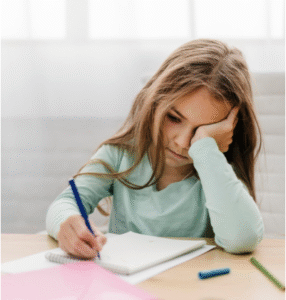
2. Behavioral and Developmental Indicators
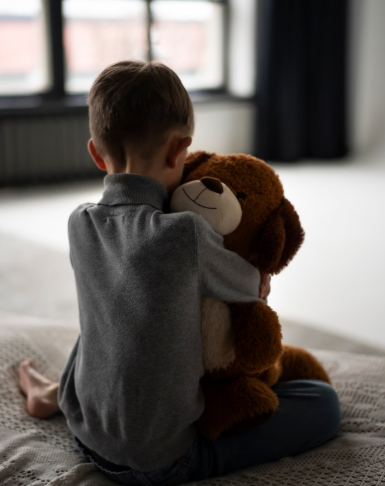
Emotional signs often appear alongside behavioral changes, many of which can be misunderstood unless seen in context.
Common behavioral indicators include:
- Regression (bedwetting, baby talk, thumb-sucking)
- Sudden decline in school performance
- Difficulty concentrating
- Heightened startle response
- Indifference to danger
- Self-harm behaviors
Children may also display “hypervigilance,” constantly scanning their environment for threats — a survival response often seen in children experiencing chronic fear.
3. Impact of Abuse on Children’s Lifestyle
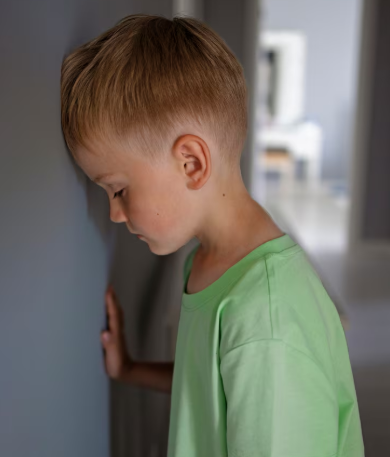
Abuse can disrupt a child’s daily functioning and routines. Signs may appear in:
Sleep
- Frequent nightmares
- Insomnia
- Sudden fear of the dark
Eating habits
- Loss of appetite
- Overeating for comfort
- Digestive issues
School engagement
- School avoidance
- Behavioral incidents
- Lack of focus
4. Impact Children Show When Developing Relationships
Abuse affects how children see the world, and how they learn to trust.
Common relational impacts include:
- Difficulty trusting other: Children may expect harm or betrayal, even from safe adults.
- Attachment problems: They may become overly dependent or emotionally distant.
- Trouble making or keeping friends: Confusion, fear, or shame may interfere with peer interactions.
- People-pleasing behaviors: Some children become hyper-compliant, fearing anger or disapproval.
- Fear of authority figures: Teachers, coaches, or caregivers may unintentionally trigger anxiety.
Over time, these patterns influence how a child forms bonds, manages conflict, and understands emotional safety.
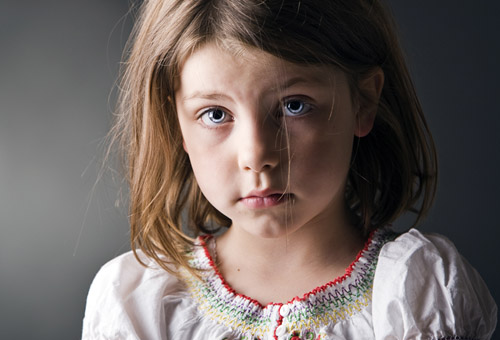
Did you know what numbers reveal about children’s safety
Child abuse is a worldwide emergency that affects every culture, age group, and socioeconomic background.
Learn more about Global Child Abuse Statistics.
Early Recognition Saves Lives
Emotional and psychological signs are often the first indicators that a child may be experiencing abuse. Recognizing them early can prevent long-term harm and help a child feel safe enough to speak up.
If you ever suspect a child may be in danger, trust your instincts.
Your attentiveness could be the turning point in their path toward safety and healing.
👉 If you suspect abuse, learn what steps to take.