Global Child Abuse Statistics: What the Numbers Reveal About Children’s Safety
Nowadays, child abuse is a worldwide emergency that affects every culture, age group, and socioeconomic background. Behind every statistic is a child whose safety, dignity, and trust were violated. Therefore, understanding the global data helps us grasp the scale of the problem and recognize how urgently prevention and protection are needed.
This article breaks down the most important research and statistics so you can stay informed and take meaningful action.
The Global Scale of the Issue
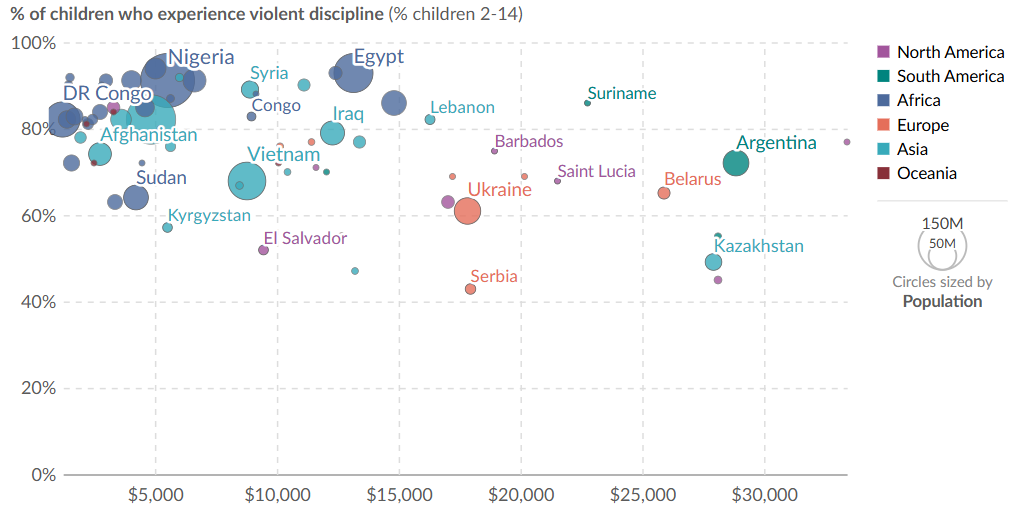
According to UNICEF, 2 in 3 children worldwide experience violent discipline, including physical punishment or psychological aggression, regularly.
Unfortunately, sexual violence is also shockingly common. More than 370 million girls and women alive today were sexually assaulted or raped before age 18.
As a result, these numbers remind us that abuse is not an exception, it’s a global pattern.
Types of Abuse Represented in the Data
Physical Abuse Includes hitting, burning, shaking, or causing physical harm. Often normalized culturally.
Emotional Abuse Mocking, rejection, humiliation, threats—often invisible, but deeply harmful.
Sexual Abuse Any sexual act with a child, including exploitation, grooming, and online solicitation.
Neglect Failing to meet a child’s basic physical or emotional needs.
But...Why So Many Cases Go Unreported?
Fear of retaliation
Shame or guilt
Belief that no one will listen
Dependency on the abuser
Lack of child-friendly reporting system
Most cases remain hidden, meaning real numbers are likely significantly higher.
Learn about AMOV...
Learn the porpoise of AMOV and how this educational card game is designed to to protect children by raising awareness and giving them a powerful voice. The statistics are heartbreaking and, at AMOV, we believe that by giving children that proper tools, we build a safe space where they feel powerful and ready to talk.
Statistics are not just numbers, they are signals. They show us where children are most vulnerable and what actions need to be taken.
Help raise awareness by sharing this article and exploring AMOV’s tools for prevention and education.
And, if you do not know what to do to help a child in their healing process after witnessing or being part of a situation of abuse, the following blog post will give you an idea on how to act: